
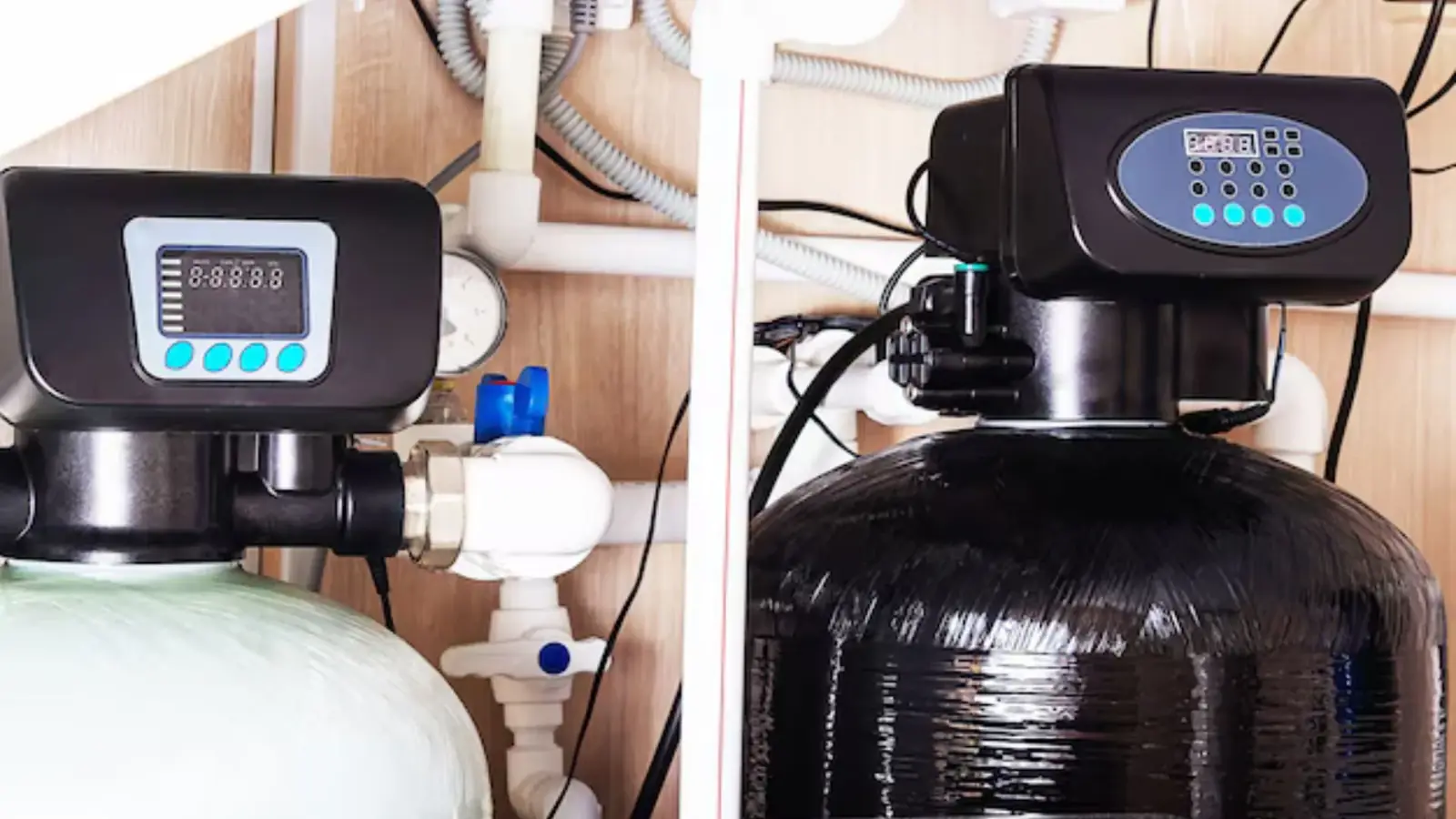
Low Cost Water Filtration: A Zephyrhills, FL Price Guide
Good filtration does not have to start with a whole-house system. Match a small filter to a real problem, and you can spend far less and get better water.
Filtration is cheapest when it treats only the water you drink. A faucet or pitcher filter costs little and works well for taste and some contaminants. A whole-house system costs more and treats every tap. The right choice depends on what the water actually contains, so the first step is to find out, not to pick a product.
We install under-sink filters and larger systems, and you can read about them on our water softener and filtration page. Call (813) 471-5608 for an appointment. This is not usually an emergency, but a leaking unit is, and the line is open 24/7.
Start with your water quality report
Your water provider publishes a consumer confidence report each year, listing what was found in the water it delivers. Read it for chlorine, minerals and any contaminants above limits. A home test kit or lab test tells you what is in the water at your tap, which can differ if your plumbing adds something. Then match the filter to the finding.
Low cost options compared
| Type | Typical use | Limits |
|---|---|---|
| Pitcher filter | Taste and odor, some metals, one household member at a time | Slow, small volume, cartridges need regular replacement |
| Faucet-mount filter | Drinking and cooking water at one tap | Can reduce flow, fits some faucets only |
| Under-sink carbon filter | Better taste, chlorine and certain contaminants at the kitchen tap | Needs a plumbing connection and cartridge changes |
| Under-sink reverse osmosis | Wide removal of dissolved solids and many contaminants | Wastes some water, slower, higher cost |
| Whole-house sediment or carbon | Sand, silt and chlorine at every tap | Larger cost, needs space and a bypass |
Look for certifications, not slogans
Filter packaging makes bold claims. Look for the NSF/ANSI standards printed on the box. Standard 42 covers aesthetic items such as chlorine taste and odor. Standard 53 covers health-related contaminants such as lead. Standard 58 covers reverse osmosis systems. A filter certified for the specific contaminant you care about is worth more than one with general claims.
Questions to ask before buying
- What contaminant or problem am I trying to solve?
- Which NSF/ANSI standard covers it, and is this model certified to it?
- How often does the cartridge change, and what does it cost per year?
- How much flow will I lose at the tap?
- Does it need a plumber to install, and where will it fit?
Hard water is a different problem
Scale on fixtures and spotted dishes come from dissolved minerals, and carbon filters do not remove those. A water softener treats hardness by ion exchange. A softener costs more than a filter, so test your tap before you decide you need one. If your water is not hard, a softener is money wasted. See faucet repair for what scale does to fixtures.
Where a plumber helps
A pitcher needs no plumber. An under-sink filter is a small install, with a tee on the cold line and sometimes a separate faucet. A reverse osmosis unit needs a drain connection and space. A whole-house system needs a bypass, correct sizing and a place to drain. We tell you what we see and do not install equipment the test does not support.
Cost over time
Compare cost per year, not the shelf price. A cheap unit with expensive cartridges costs more over several years than a pricier one with long-life filters. Keep a note of the change dates, since an overdue cartridge can stop working or even grow bacteria in the filter.
A sensible order of spending
Start with the report or test. If it shows nothing worrying, a pitcher or faucet filter handles taste at a low cost. If you want better drinking water for the whole family, an under-sink unit gives more volume and less hassle. Only move to whole-house treatment when a test shows a problem that affects every tap, such as hardness or sediment.
Skipping the test is the expensive mistake. People buy a system for a problem they do not have and then keep buying cartridges. A test costs a small fraction of a whole-house system and tells you which direction to go.
NSF/ANSI standards 42, 53 and 58 are the reference points for taste, health-related contaminants and reverse osmosis. According to those standards, a filter must be tested for the specific claim on its box.
A local note on the water you are filtering
Pasco County Utilities has said that its regional system draws groundwater from deep wells in the Floridan Aquifer and buys water from Tampa Bay Water, which blends groundwater, surface water and desalinated seawater. Zephyrhills addresses can be served by the City or by the county, so the name on your bill tells you whose report to read.
We do not quote a hardness number for your address, because we could not source one for every system. Test your tap or ask your utility for its latest report and use that as the basis for any purchase.
Water filter questions from Zephyrhills homeowners
Do I need a filter if I drink city water?
Many people filter for taste. A report or a test shows whether there is anything specific to address.
Is a pitcher filter enough?
For taste and some contaminants, yes. Check what it is certified to remove.
Does a filter remove hardness?
Most do not. A softener handles hardness.
How often should I change the cartridge?
Follow the manufacturer's schedule. An overdue cartridge stops working well.
Do you install filters in Wesley Chapel?
Yes. We dispatch to Wesley Chapel from Zephyrhills.
Want a filter installed?
The line is open 24/7 for emergencies. Tell the dispatcher what you see and what you have already shut off.