
Whole-House Repiping in Zephyrhills, FL
When a house has leaked more than once or the pipe is corroded, patching costs more over time than replacing. We repipe homes in Zephyrhills, and the emergency line is open 24/7 for leaks that cannot wait.
- Triggers
- Repeat leaks, brown water, low pressure, polybutylene or galvanized pipe
- Materials
- PEX and copper, chosen by the home and budget
- Process
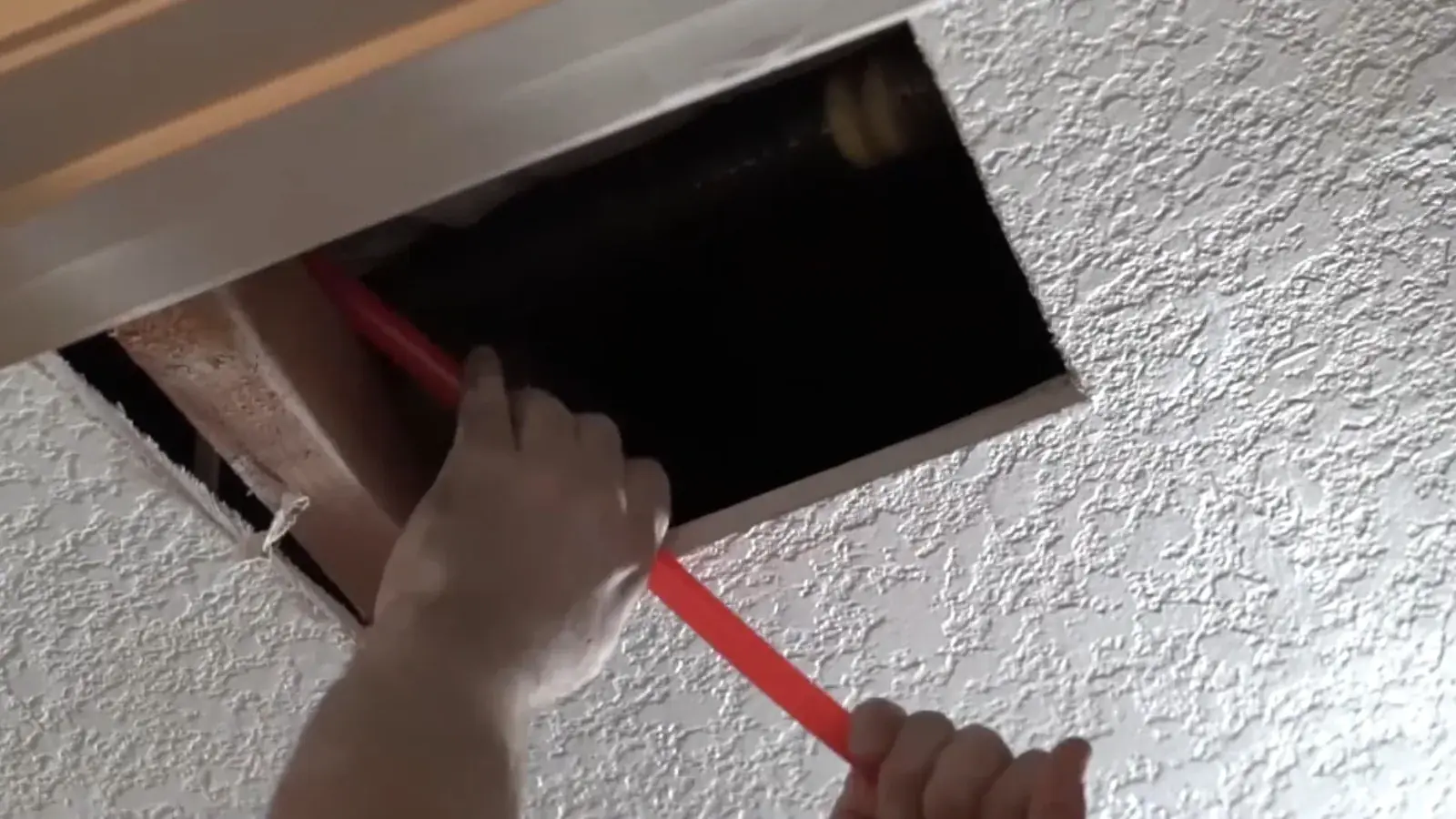
- New lines run through walls and attic, with minimal wall opening
- Dispatch
- 24/7 emergency line for active leaks
Repiping replaces the water supply lines in a house with new pipe. It is a bigger job than a repair, and it is not a routine choice. You consider it when pipes keep failing, when the material is a known problem or when water quality and pressure have dropped because the pipe is corroded inside.
If a pipe is leaking right now, close the main valve and call (813) 471-5608. The line is open 24/7. A repair first, and a repipe plan after, is often the sensible order. Our burst pipe repair page covers the first step.
Signs it is time to consider repiping
When replacement beats patching
- Two or more leaks in the same system within a year or two.
- Polybutylene pipe, common in homes built from roughly 1978 to 1995.
- Galvanized steel pipe that is rusted or restricting flow.
- Brown or rusty water, or a metallic taste, from corrosion inside the pipe.
- Low pressure that persists after fixtures and the regulator are checked.
- Pinholes in copper pipe, often with green staining.
PEX or copper
Comparing the two common materials
| PEX | Copper | |
|---|---|---|
| Installation | Flexible, fewer fittings, usually faster | Rigid, soldered joints, more labor |
| Corrosion | Does not corrode | Can corrode with certain water or soil |
| Cost | Usually lower | Usually higher |
| Where it fits | Most whole-house repipes | Exposed runs and some owner preferences |
| Wall damage | Less, thanks to its flexibility | More access needed |
PEX is the usual choice for a whole-house repipe because it bends around corners, takes fewer cuts into the walls and does not corrode. Some owners still prefer copper for its record. We explain the price difference and let you decide.
How a repipe is done
- Inspect and plan. We check the existing pipe, find the main, the heater and every fixture, and plan the new routes.
- Protect the house. We cover floors and furniture and open small access holes.
- Run new lines. New pipe goes in through the attic, walls or crawlspace, to every fixture.
- Connect and test. We join the new system to the main, test it under pressure and check for leaks.
- Patch and clean. Access holes are patched. Texture, paint and finish repairs may be a separate trade.
Slab homes and manufactured homes
Slab-on-grade homes often have water lines running under the floor. Repiping can reroute them overhead through the attic, which avoids breaking the slab. That is the same approach covered under slab leak repair. Manufactured homes have their own supply layout, often below the floor in the belly. Tell us the home type so we can plan accordingly.
What a repipe means for daily life
A whole-house repipe usually takes a few days, depending on the size. Water is off for part of each day. Plan for a mess in the walls and some noise. We try to leave you with water at night when we can. Ask for a schedule before work starts, so you can plan around it, and check whether your area requires a permit.
Expect drywall patches and some paint touch-up. If you have wallpaper or tile where we need access, tell us beforehand.
What affects the price
Cost factors on a repipe
- House size, number of bathrooms and fixtures.
- PEX or copper, and the number of fixtures to connect.
- Slab, one-story or two-story layout and the attic access.
- Drywall, texture and paint repair after the job.
- Permits and inspections, which depend on the address.
You get a clear written price before work starts. Insurance does not usually pay for replacing old pipe, though it may cover resulting damage from a sudden leak.
PEX tubing is made to ASTM F876, and drinking water components are certified to NSF/ANSI 61. The IPC sets the rules for water pipe sizing and pressure, and a repipe is permitted work in many jurisdictions, so ask the building department for your address before work begins.
Call to schedule an assessment. If a pipe is leaking now, call the 24/7 line first.
Call (813) 471-5608Questions about repiping in Zephyrhills
Do you handle pipe emergencies at night or on weekends in Zephyrhills?
Yes. The line is open 24/7. Close the main valve and call (813) 471-5608.
How do I know if I need a repipe?
Repeat leaks, polybutylene or galvanized pipe, rusty water and low pressure are the common signs. An inspection tells you what condition the pipe is in.
How long does a repipe take?
Often two to five days for an average home, depending on size and access. We give a timeline with the quote.
Will I have to move out during a repipe?
Most families stay. Water is off during the day. Ask us about the schedule.
Do repipes need a permit?
Often yes. Rules depend on whether your address is in the City of Zephyrhills or unincorporated Pasco County. Ask the building department for your address.
Do you repipe homes in Wesley Chapel?
Yes. We serve Wesley Chapel from Zephyrhills.
Related plumbing services
- Slab Leak RepairLeaks under the floor located and repaired or rerouted overhead.LK-08
- Burst Pipe RepairSplit pipes isolated, cut out and replaced, day or night.PP-09
- Leak DetectionMeter tests, listening gear and thermal imaging for hidden leaks.LK-07
- Plumbing InstallationFixtures, shutoff valves, supply lines and appliance hookups.PL-18
Plumbing problem right now?
The line is open 24/7 for emergencies. Tell the dispatcher what you see and what you have already shut off.